Exploring Ceramic Electrodes in Track Welding Applications
Introduction to Track Welding and Its Importance
Overview of Track Welding Applications
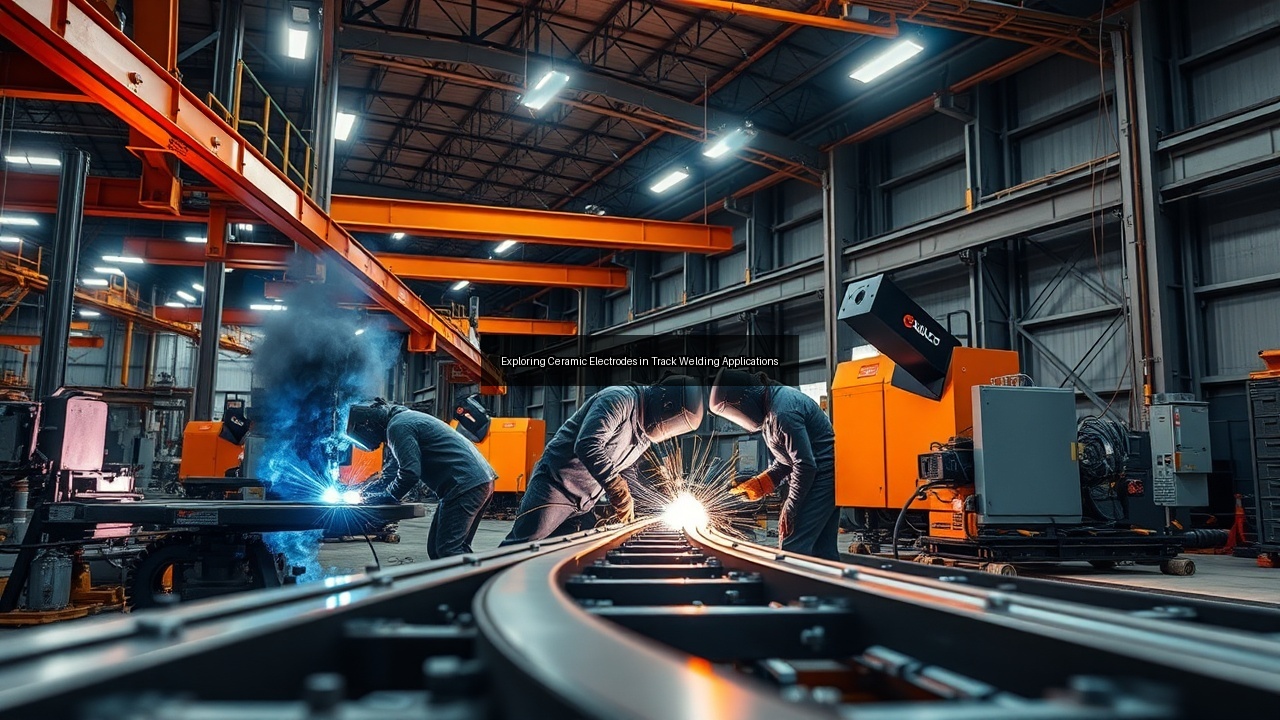
Track welding stands at the forefront of modern welding techniques, particularly in industries such as rail, automotive, and heavy machinery. This automated process involves a track welder that moves along a predetermined path, ensuring consistent and high-quality welds. Track welding is especially vital in the construction of railways, where precise alignment and durability are paramount. The ability to create strong joints in large structures efficiently makes track welding a preferred choice. With advancements in technology, track welding machines have evolved, offering enhanced precision, speed, and reliability, thereby meeting the demanding needs of various applications.
Benefits of Using Track Welders
Utilizing track welders brings numerous advantages to welding operations. First and foremost, these machines enhance productivity by automating the welding process. This automation not only increases speed but also reduces the likelihood of human error, resulting in higher quality welds. Moreover, track welders typically operate under controlled conditions, which minimizes the impact of external factors such as wind or temperature fluctuations, further improving weld integrity. The efficiency of these machines often leads to significant time savings and cost reductions in large-scale projects. Additionally, track welding allows for greater flexibility in design, enabling engineers to create complex geometries that traditional welding methods might struggle to achieve.
The Role of Ceramic Electrodes in Track Welding
What are Ceramic Electrodes?
Ceramic electrodes represent a significant innovation in the welding industry. Unlike traditional metal electrodes, ceramic electrodes utilize advanced materials that enhance the welding process. These electrodes are designed to withstand high temperatures and pressures, making them ideal for track welding applications. The unique properties of ceramics contribute to a more stable arc and improved heat distribution during the welding process. This stability is crucial for achieving high-quality welds, especially in demanding environments where precision is essential. As industries continue to seek improvements in welding efficiency and quality, ceramic electrodes have emerged as a robust alternative that meets these evolving needs.
Advantages of Ceramic Electrodes in Welding
The use of ceramic electrodes in track welding brings several noteworthy advantages. One of the primary benefits is their longevity. Ceramic electrodes tend to have a longer lifespan compared to their traditional counterparts, which translates to fewer replacements and reduced downtime. Additionally, they provide superior thermal conductivity, allowing for better heat management during the welding process. This feature not only enhances weld quality but also reduces the risk of warping or damaging the materials being welded. Moreover, ceramic electrodes produce less spatter, resulting in cleaner welds and minimizing the need for post-weld cleanup. As a result, these advantages significantly contribute to increased operational efficiency and reduced costs in welding projects.
Comparison with Traditional Electrodes
When comparing ceramic electrodes to traditional electrodes, several key differences emerge. Traditional electrodes, often made from metals like copper or tungsten, can struggle with heat management, leading to inconsistent arc stability. In contrast, ceramic electrodes maintain a more stable arc, promoting better weld quality. Furthermore, traditional electrodes are more susceptible to wear and degradation over time, necessitating frequent replacements. This frequent need for replacement not only incurs additional costs but also disrupts workflow. Conversely, ceramic electrodes’ durability and reduced wear translate to lower maintenance requirements and higher overall productivity. The shift towards ceramic electrodes in track welding applications showcases the industry's commitment to innovation and efficiency.
Track Welding Machines and Their Components
Key Components of Track Welding Machines
Track welding machines are composed of several essential components that work in unison to achieve optimal welding results. The primary components include the oscillator, connecting rod, and the welding head. The oscillator is critical in controlling the movement and oscillation of the welding head along the track. This precise control allows for consistent weld bead placement, which is vital for structural integrity. The connecting rod serves as the linkage between the oscillator and the welding head, facilitating smooth movement and ensuring that the welding process remains stable. Understanding these components helps operators optimize the functionality of their track welding machines, ultimately leading to better outcomes in welding projects.
Functionality of Oscillators and Connecting Rods
The oscillator plays a pivotal role in track welding by ensuring that the welding head moves back and forth in a controlled manner. This oscillation is crucial for creating uniform welds, as it allows the welder to cover a broader area and improve penetration into the base materials. The effectiveness of this oscillation directly influences the quality of the weld. On the other machine for track welding hand, the connecting rod provides the necessary mechanical advantage, translating the oscillatory motion into effective welding action. These two components work together, enhancing the machine's overall performance and ensuring that the welding process adheres to strict quality standards. Proper maintenance and calibration of these parts are essential for achieving the best results in track welding applications.
Choosing the Right Welding Machine for Effective Track Welding
Selecting the appropriate welding machine for track welding involves considering several factors. Key aspects include the machine's capabilities, compatibility with various electrodes, and the specific requirements of the project at hand. Factors such as the thickness of the materials to be welded, the type of alloy, and the required weld quality all influence the choice of equipment. Additionally, evaluating the machine's features, such as its oscillation frequency and power output, can help ensure that it meets the demands of the job. Manufacturers like Gullco International offer a range of track welding machines designed to cater to diverse welding needs, ensuring that operators can find the right fit for their specific applications.
Evaluating the Return on Investment for Track Welding Equipment
Cost Analysis of Track Welding Machines
When analyzing the cost of track welding machines, it's crucial to consider not just the initial purchase price but also the long-term operational costs. Track welders typically require a significant upfront investment, but their automation capabilities can lead to substantial savings over time. Operational efficiency, reduced labor costs, and decreased material waste all contribute to a favorable return on investment. Additionally, machines equipped with advanced technologies, such as ceramic electrodes, often yield better weld quality, further enhancing their cost-effectiveness. Conducting a thorough cost analysis allows businesses to make informed decisions about their welding equipment investments, ensuring that they choose machines that deliver the best value over their lifespan.
Long-Term Benefits of Ceramic Electrodes
The long-term benefits of using ceramic electrodes in track welding applications significantly enhance the overall value of welding operations. Their durability leads to fewer replacements, reducing both material costs and downtime associated with electrode changes. Additionally, the improved weld quality associated with ceramic electrodes often results in lower defect rates, minimizing costly rework and enhancing productivity. Over time, these factors contribute to a more favorable return on investment. As industries increasingly recognize the advantages of ceramic electrodes, many are adopting these innovative solutions to improve their welding processes and drive long-term success.
Factors Influencing ROI in Welding Applications
Several factors influence the return on investment in welding applications. These include the cost of equipment, maintenance expenses, labor costs, and the efficiency of the welding process itself. The choice of materials, such as using ceramic electrodes versus traditional electrodes, can also impact overall costs and productivity. Companies must assess their specific operational needs and goals to determine the most effective strategies for maximizing ROI. By investing in high-quality track welding machines and components, businesses can achieve greater efficiency, reduced costs, and ultimately, higher profitability in their welding operations.