Exploring the Synergy Between Composites and Aerospace Molding
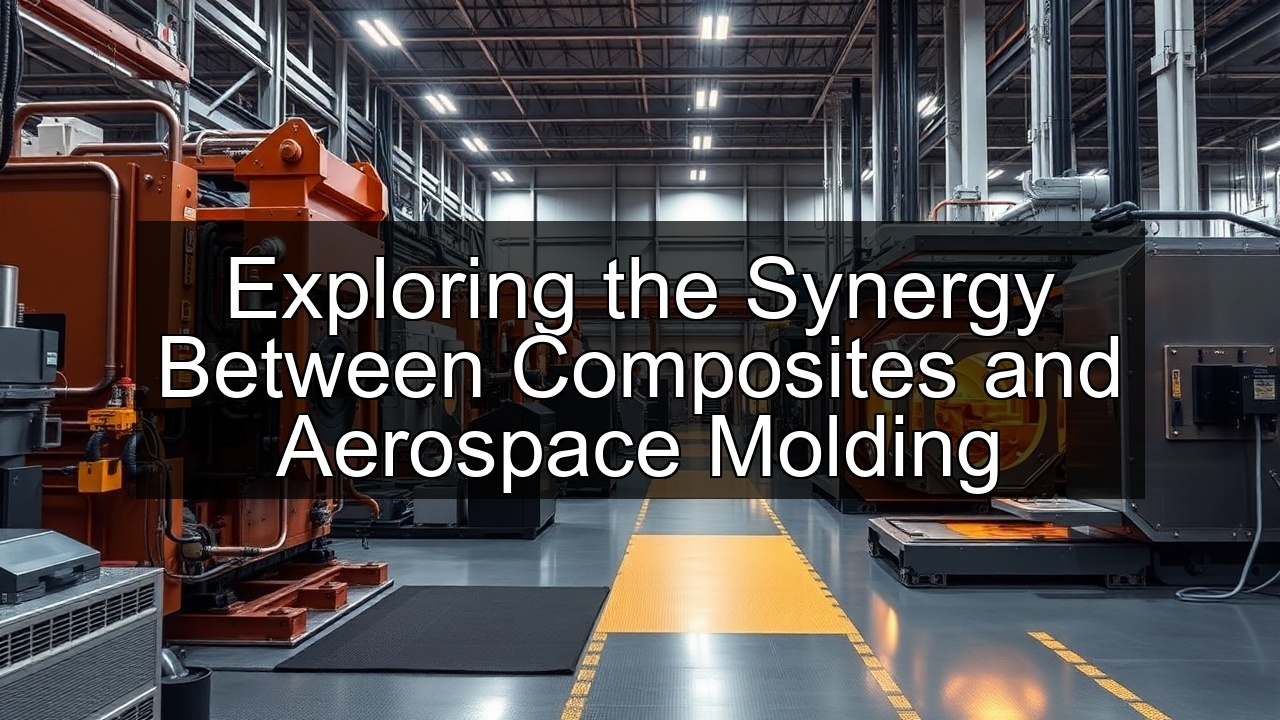
The Role of Composites in Aerospace Manufacturing
Understanding Advanced Materials in Aerospace
Advanced materials play a crucial role in aerospace manufacturing, enhancing performance, durability, and weight efficiency. Composites, a blend of materials, offer a distinct advantage due to their unique properties. These materials combine fibers with a matrix, creating a composite that is both lightweight and incredibly strong. In aerospace, these composites include carbon fiber and glass fiber reinforced plastics, which significantly reduce the overall weight of aircraft while maintaining structural integrity. This weight reduction translates into improved fuel efficiency and lower emissions, making aircraft more environmentally friendly. Furthermore, composites can withstand extreme temperatures and resist corrosion, essential qualities in the aerospace sector where reliability is paramount.
Benefits of Using Composites Over Traditional Materials
Composites provide numerous advantages over traditional materials like metals. Their lightweight nature reduces the overall mass of the aircraft, allowing for greater payload capacity and enhanced fuel efficiency. Additionally, composites exhibit superior resistance to fatigue and environmental stressors, which prolongs the lifespan of aerospace components. The ability to mold intricate shapes and designs using compression molding techniques enhances the aerodynamics of aircraft, contributing to performance improvements. This flexibility in design also facilitates the production of complex parts in fewer manufacturing steps, reducing time and costs. The aerospace industry increasingly favors composites for their ability to meet stringent quality control standards while driving innovation.
Key Players in Aerospace Composite Manufacturing
Several corporations lead the charge in aerospace composite manufacturing, providing essential materials and technologies. Companies like Lockheed Martin are at the forefront, integrating advanced composites into their aircraft designs to improve performance and efficiency. MCM Composites, LLC specializes in high-performance aerospace molding, focusing on compression and thermoplastic materials. These manufacturers employ state-of-the-art technology and processes to ensure the quality and reliability of their products. With the growing demand for lightweight and strong components, these key players continue to innovate, driving advancements in aerospace composite molding manufacturer aerospace composite materials and applications.
Compression Molding Techniques and Technologies
Overview of Compression Molding Processes
Compression molding has emerged as a preferred method for producing complex aerospace components. This process involves placing a pre-measured amount of material, often thermoset or thermoplastic, into a heated mold. Once the mold closes, heat and pressure are applied, allowing the material to flow and fill the mold's cavities, curing into the desired shape. This technique offers high precision and minimizes waste compared to other methods like plastic injection molding. Compression molding is particularly beneficial for producing large parts, such as aerospace gaskets, that require tight tolerances and high-performance characteristics. The process's efficiency and adaptability make it a vital component of aerospace manufacturing.
The Importance of Hydraulic Presses in Aerospace Applications
Hydraulic presses play a critical role in the compression molding process, providing the necessary force to shape materials accurately. These presses utilize hydraulic fluid to generate pressure, allowing for consistent molding of complex geometries required in aerospace components. The ability to control temperature and pressure precisely ensures that materials cure uniformly, meeting the high-quality standards of the aerospace industry. Manufacturers leverage hydraulic presses for their efficiency and reliability, ensuring that each molded part adheres to strict tolerances and specifications. The integration of hydraulic technology into the aerospace molding processes enhances production capabilities and product quality.
Comparing Compression Molding with Injection Molding
Compression molding and injection molding serve different purposes in aerospace manufacturing, each with its unique advantages. While injection molding injects molten material into a mold, allowing for rapid production of intricate parts, compression molding excels in creating larger, thicker components. The choice between these methods often depends on the specific requirements of the aerospace application. Compression molding offers better material flow and less waste, making it ideal for high-performance thermosets and elastomers used in aerospace applications. Conversely, injection molding is preferred for intricate designs and smaller parts. Understanding these differences helps manufacturers select the right method for their specific needs, ensuring optimal performance and cost-effectiveness.
Innovations in Aerospace Molding Solutions
Elastomers and Their Applications in Aerospace
Elastomers have become increasingly significant in aerospace applications due to their unique properties, including flexibility, resilience, and temperature resistance. These materials can withstand extreme conditions, making them ideal for sealing applications, gaskets, and insulation in aircraft. Compression molding of elastomers allows for the production of parts with intricate shapes and fine tolerances, essential for ensuring the integrity of aerospace components. Their ability to maintain performance over a wide temperature range and exposure to oils and gases makes elastomers a reliable choice for various aerospace applications. As manufacturers continue to innovate, the use of elastomers in aerospace will expand, driving advancements in design and functionality.
Liquid Silicone Rubber in Aerospace Compression Molding
Liquid Silicone Rubber (LSR) has gained traction in the aerospace industry for its superior performance characteristics. LSR's exceptional temperature stability and resistance to environmental factors make it ideal for compression molding applications in aerospace. Its ability to mold complex shapes with tight tolerances is invaluable for producing high-performance components like seals and gaskets. The lightweight nature of LSR contributes to overall aircraft efficiency while enhancing reliability in critical applications. MCM Composites, LLC has pioneered LSR applications in aerospace molding, emphasizing the material's versatility and performance capabilities. As the aerospace industry seeks innovative solutions, LSR will play a critical role in future advancements.
MCM Composites: A Leader in Aerospace Molding Technologies
MCM Composites, LLC stands out as a leader in aerospace molding technologies, specializing in advanced composite and elastomer solutions. The corporation focuses on delivering high-performance components tailored to meet the stringent requirements of the aerospace industry. Leveraging cutting-edge technology and expertise in compression molding, MCM Composites produces components that exceed quality control standards and ensure reliability in demanding applications. Their commitment to innovation drives the development of custom aerospace molding solutions, positioning them as a vital partner for manufacturers seeking to enhance their product offerings and efficiency. As the aerospace sector continues to evolve, MCM Composites remains dedicated to advancing molding technologies and materials.
Quality Control and Supply Chain in Aerospace Molding
Ensuring Tolerances and Specifications in Aerospace Products
Quality control is paramount in aerospace molding, where precision and reliability are non-negotiable. Manufacturers must adhere to strict tolerances and specifications to ensure that every component meets the rigorous standards of the aerospace industry. This involves meticulous inspection and testing throughout the manufacturing process, from raw material selection to final product evaluation. Advanced technologies, including automation and digital monitoring, facilitate real-time tracking of quality metrics, allowing manufacturers to identify potential issues before they escalate. By prioritizing quality control, manufacturers can ensure that their products not only meet regulatory requirements but also enhance safety and performance in aerospace applications.
The Role of Automation in Molding Processes
Automation has transformed aerospace molding processes, enhancing efficiency and consistency in production. Automated systems streamline operations, reducing manual intervention and minimizing the risk of human error. This technology allows manufacturers to achieve higher output rates while maintaining tight tolerances and quality standards. Automated inspection systems further ensure that each molded component meets the required specifications. As the aerospace industry demands faster production times and higher-quality components, automation becomes essential in optimizing the product lifecycle and improving supply chain efficiency. Manufacturers who embrace automation position themselves to meet the evolving needs of the aerospace market effectively.
Navigating the Aerospace Supply Chain for High-Performance Components
The aerospace supply chain is complex, involving various stakeholders from raw material suppliers to manufacturers and end-users. Navigating this landscape demands a keen understanding of quality control, regulatory compliance, and logistics. Manufacturers must establish strong relationships with suppliers to ensure the timely delivery of high-performance materials, including advanced composites and elastomers. Efficient supply chain management enhances production capabilities and reduces lead times, enabling manufacturers to respond swiftly to market demands. By focusing on collaboration and transparency, aerospace manufacturers can optimize their supply chains, ensuring the delivery of reliable and innovative aerospace products that meet the highest quality standards.