Revolutionizing Manufacturing with Precision Machined Plastic Components
Understanding Machined Plastic Components
Overview of Machined Plastics
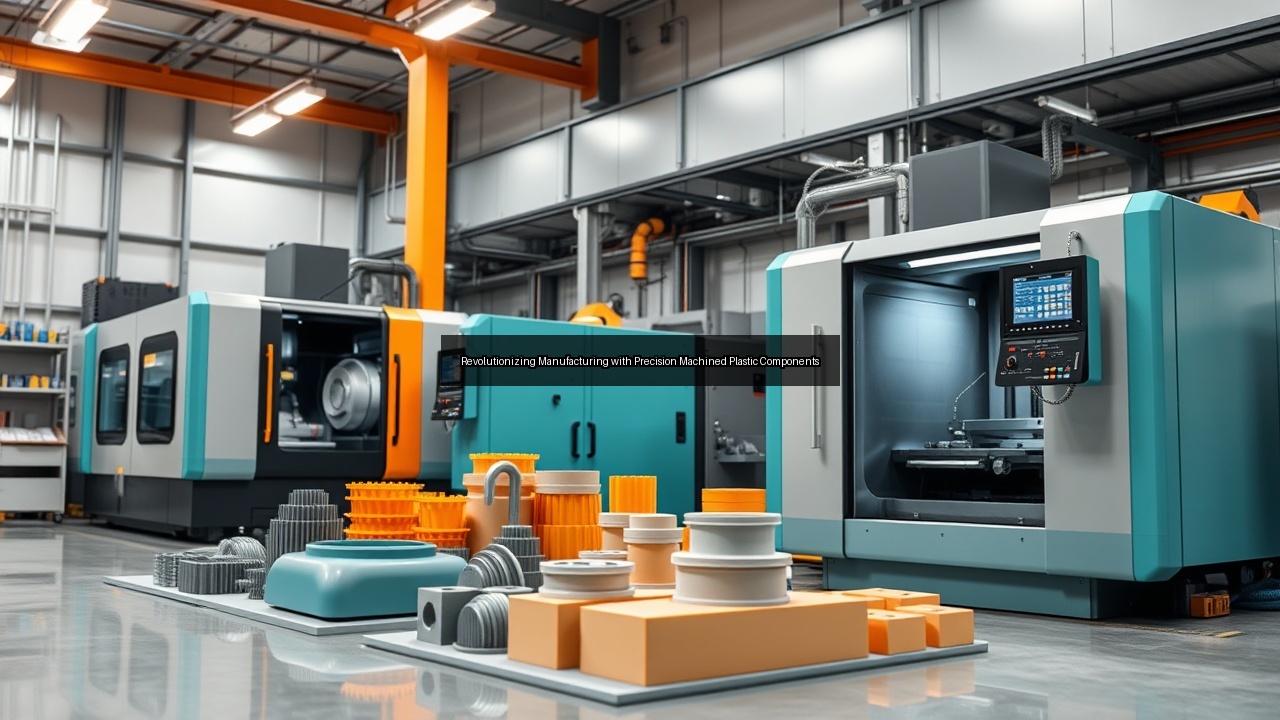
Machined plastic components deliver exact fits in demanding applications where metal parts add unnecessary weight or corrosion risks. Engineers specify these parts when prototypes demand quick turns or when production runs stay under several thousand units. A machinist loads stock into cnc machinery and removes material layer by layer until the final dimensions appear. This subtractive approach handles engineering plastics such as acetal, PEEK, and polycarbonate without the tooling investment required by other processes. Companies often choose machined plastic components for housings, gears, and fluid manifolds that must meet tight tolerances from the first piece. The resulting parts maintain consistent mechanical properties across batch production because no melting or cooling cycles alter the base material. Designers appreciate how quickly they can iterate on plastic machined components when specifications change mid-project.
Difference Between Injection Molding and CNC Machining
Injection molding forces molten resin into a hardened steel tool, then ejects cooled parts in high volumes. That method suits runs above ten thousand units but requires weeks of mold fabrication and upfront cost. CNC machining, by contrast, starts with solid plastic stock and cuts directly to the finished shape. A manufacturer therefore skips tooling lead times and can revise geometry overnight. Plastic cnc machined components also avoid knit lines and sink marks common in molded parts. When a design includes undercuts or thin walls that challenge mold flow, machining produces reliable results without secondary assembly. Many teams begin with cnc machined plastic parts to validate function, then shift to molding only after volumes justify the investment. The choice hinges on quantity, timeline, and tolerance requirements rather than material alone.
Key Materials Used in Machined Plastics
Acetal provides low friction and excellent dimensional stability for bearings and gears. PEEK withstands continuous temperatures above 250 °C, making it ideal for aerospace and medical components. Polycarbonate offers impact resistance and optical clarity for lenses and guards. Nylon and UHMW polyethylene reduce wear in sliding applications while remaining easy to machine. Composites that blend glass or carbon fiber with polymer matrices increase stiffness yet still allow standard carbide tooling. Machinists adjust feeds and speeds for each grade to prevent melting or delamination. Material suppliers publish data sheets that list tensile strength, coefficient of thermal expansion, and chemical resistance, helping engineers match the resin to service conditions. Selecting the right engineering plastics early prevents costly redesigns later in development.
The CNC Machining Process
Introduction to CNC Machinery
Modern cnc machinery combines rigid frames, high-speed spindles, and multi-axis controls to cut plastic with repeatability measured in microns. Three-axis vertical mills handle prismatic parts, while five-axis centers reach complex contours without refixturing. Swiss-style lathes produce small-diameter turned components from bar stock in a single setup. Shops equip these machines with vacuum tables or soft jaws to avoid marring finished surfaces. Software translates CAD models into toolpaths that optimize step-over and depth of cut for each plastic grade. A skilled machinist monitors tool wear and chip evacuation to maintain surface quality throughout the run. The same equipment processes both prototypes and production quantities of machined plastic components, giving manufacturers scheduling flexibility.
Steps in CNC Machining Plastic Components
Work begins with a reviewed drawing that lists dimensions, tolerances, and material callouts. The machinist selects stock oversized enough to remove all machined features and clamps it securely. Roughing passes remove bulk material at higher feeds, followed by finishing passes that achieve final tolerances. Coolant or air blast keeps temperatures low to prevent plastic from gumming cutters. After the last operation, the operator deburrs edges and inspects critical features with calipers, micrometers, or CMMs. If the job calls for batch production, the team creates fixtures and programs that repeat identical results across dozens or hundreds of pieces. Documentation tracks tool life and any adjustments made during the run, ensuring traceability for regulated industries.
Precision and Accuracy in Machining
Tolerances of ±0.05 mm are routine for most engineering plastics, while tighter specifications down to ±0.01 mm require temperature-controlled environments and sharp tooling. Thermal expansion of the workpiece must be calculated because plastics move more than metals during cutting. Fixture design minimizes deflection, and probing routines verify part alignment before finishing cuts. Manufacturers often specify surface finishes of 32 µin Ra or better for sealing faces. Post-machining stabilization at room temperature allows any residual stresses to relax before final inspection. These controls produce plastic cnc machined components that assemble without hand fitting and perform consistently in the field.
Applications of CNC Machined Plastic Components
Industries Utilizing Machined Plastics
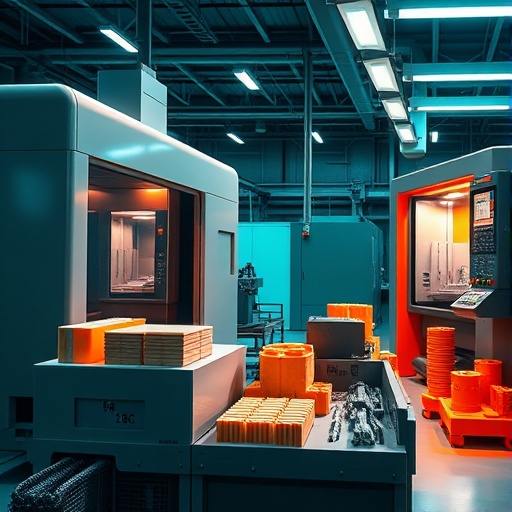
Medical device firms rely on machined plastic components for surgical instruments and diagnostic housings that require biocompatibility and repeated sterilization. Aerospace suppliers machine lightweight brackets and ducting from PEEK and PEI to reduce aircraft weight. Automotive engineers specify acetal and nylon parts for fuel systems and interior mechanisms that resist chemicals and vibration. Semiconductor equipment builders choose static-dissipative grades to protect sensitive wafers during handling. Food processing plants use UHMW and acetal machined parts because they meet FDA requirements and clean easily. Each sector values the ability to produce small batches quickly while holding the tolerances needed for reliable operation.
Examples of Machined Plastic Parts in Use
Robotic end-effectors often incorporate machined plastic components for grippers that handle fragile electronics without scratching surfaces. Fluid manifolds machined from polycarbonate distribute reagents in laboratory analyzers with leak-free seals. Wear strips cut from UHMW line conveyor rails in packaging lines and extend service life between replacements. Custom gears made from acetal mesh quietly in office equipment and medical pumps. Insulating spacers machined from G10 or FR4 composites separate high-voltage components in power supplies. These examples illustrate how plastic machined components solve specific functional challenges across equipment designs.
Benefits of Using CNC Machined Components
CNC machined plastic parts eliminate the need for expensive molds, allowing design changes at any stage. Lead times shrink from weeks to days, accelerating product development cycles. Material waste stays low because only the final part shape is removed from stock, and scrap can often be recycled. The process supports both one-off prototypes and ongoing batch production without tooling wear. Parts arrive with consistent mechanical properties because no heat history alters the polymer. Manufacturers therefore achieve functional testing earlier, reduce inventory risk, and maintain flexibility when market demand shifts.
Surface Finishing and Treatment Techniques
Importance of Surface Finishing in Machined Plastics
Surface finishing removes tool marks and burrs that could affect sealing or aesthetics. Smooth finishes also reduce friction in sliding assemblies and improve cleanability in food or medical environments. Proper treatment prevents stress concentrations that might initiate cracks under load. Customers frequently request specific Ra values or gloss levels listed on part specifications. Without attention to finishing, even dimensionally accurate plastic cnc machined components can fail functional tests or customer inspection. Finishing therefore forms an integral step rather than an afterthought in the manufacturing sequence.
Common Surface Treatment Methods
Vapor polishing dissolves a thin layer of polycarbonate or acrylic to produce optical clarity. Media blasting with plastic beads creates uniform matte textures without embedding abrasive particles. Flame polishing passes a controlled flame across edges to melt and smooth cut surfaces. Chemical etching prepares certain plastics for painting or bonding. Tumbling with ceramic media deburrs and slightly rounds edges on high-volume runs. Each method requires process parameters matched to the resin to avoid discoloration or dimensional change. Shops document these steps so every batch receives identical treatment.
Enhancing Aesthetics and Performance through Finishing
Applied surface treatment can add conductivity, lubricity, or UV resistance to machined plastic components. For instance, PTFE impregnation lowers friction on wear surfaces while preserving bulk strength. Painting or laser marking provides branding and traceability without affecting mechanical performance. When parts must meet both visual and functional standards, finishing operations become critical to acceptance. Manufacturers that control these steps deliver ready-to-install components that require no additional work by the end user.
The Future of Machined Plastic Components in Manufacturing
Emerging Technologies in Plastic Fabrication
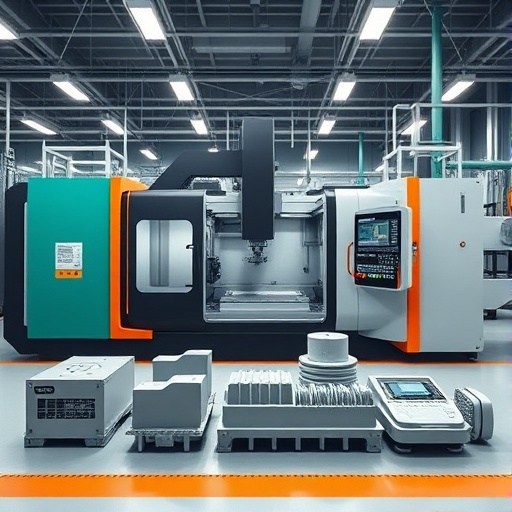
Hybrid machines now combine additive deposition with subtractive finishing in one setup, allowing complex internal channels that traditional machining cannot reach. In-process metrology feeds real-time data back to the controller so adjustments occur before tolerances drift. New grades of engineering plastics incorporate nanomaterials that increase strength and thermal conductivity while remaining machinable. These advances expand the range of applications for machined plastic components into higher-load environments previously reserved for metals.
Role of Robotics in CNC Machining
Robot arms load raw stock and unload finished parts, enabling lights-out operation during overnight runs. Collaborative robots work alongside machinists for smaller jobs without extensive guarding. Automated inspection stations integrated with the robot cell verify dimensions before parts reach packaging. This automation reduces labor costs and improves consistency across large batches of plastic cnc machined components. Shops that adopt robotic handling scale production without proportional increases in floor space or staffing.
Sustainability and Advances in Engineering Plastics
Recycled-content resins now machine as cleanly as virgin material when properly stabilized. Closed-loop systems capture chips and return them to compounders for reprocessing. Bio-based polymers enter the supply chain, offering comparable performance with lower carbon footprints. Manufacturers track material provenance and energy use to meet customer sustainability requirements. Advances in both resin chemistry and machining efficiency ensure that machined plastic components remain competitive while supporting environmental goals across industries.
See Also
- Robotic Innovations in the Production of Machined Plastic Components
- Batch Production Strategies for Efficient Machined Plastic Manufacturing
- Exploring the Versatility of CNC Machined Plastic Components
- Key Specifications You Should Know About Machined Plastic Parts
- How CNC Technology Transforms Plastic Fabrication for Various Industries